
Texas Comparative Negligence in Car Accidents: Can You Still Recover Compensation?
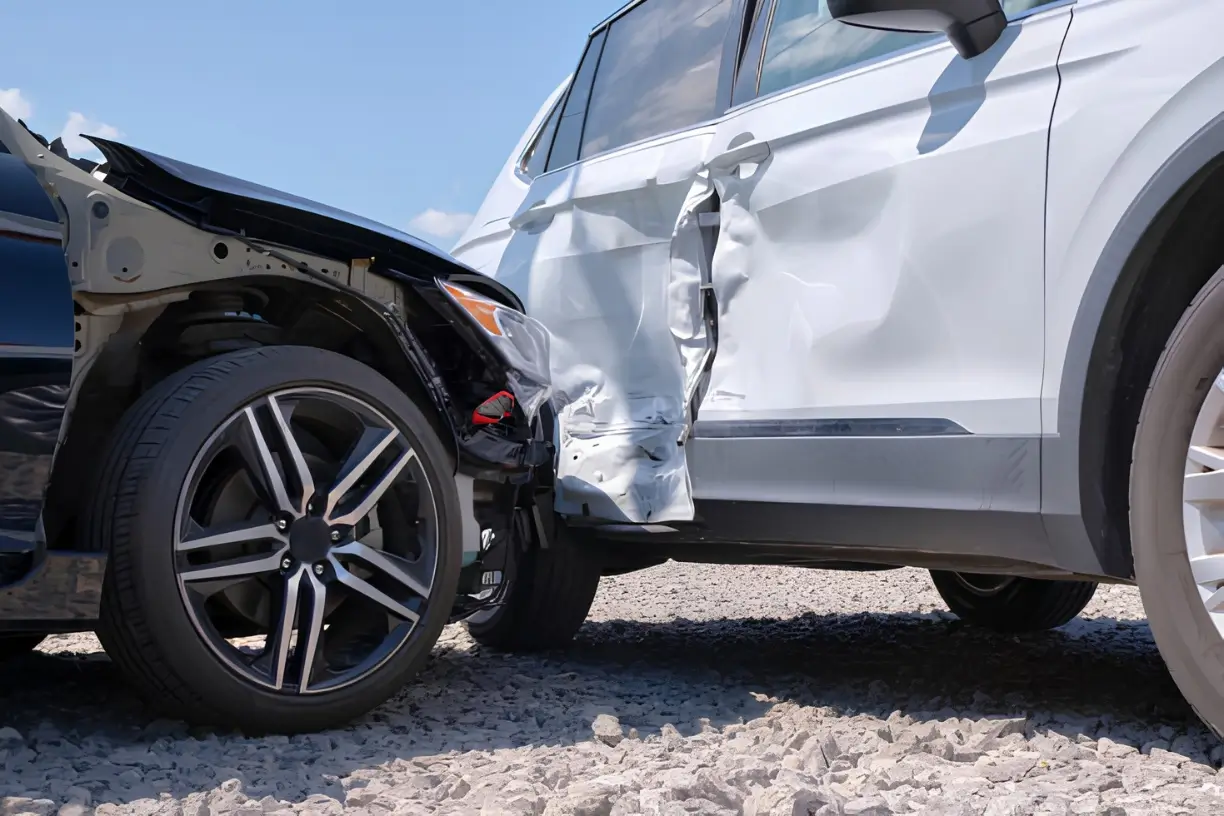
After a car crash, most people expect a clear answer about who caused it. In reality, things are rarely that simple. One driver may have been speeding, while the other failed to yield. Both actions can contribute to the same collision.
That uncertainty is exactly what Texas comparative negligence car accident law is designed to address. It allows people to recover compensation even when fault is shared, but only under certain conditions. For drivers in Spring and across the greater Houston area, understanding how this works can make a real difference in how a claim turns out.
How Modified Comparative Negligence Law Works in Texas
Texas follows a system known as modified comparative negligence. In practical terms, you can still recover damages after an accident as long as you are not more than 50 percent responsible.
If you are found partially at fault, your compensation is reduced based on your share of responsibility. This is where your percentage of liability becomes important.
For example, if your total damages are $100,000 and you are assigned 20 percent of the fault, your recovery would be reduced to $80,000. If your fault reaches 51 percent, however, you would not be able to recover anything.
That cutoff is what makes these cases especially sensitive to how fault is calculated.
What Partial Fault Looks Like in Real Cases
A partial fault car accident case in Texas often involves more than one contributing factor. One driver might be distracted while another makes an unsafe turn. In some situations, road conditions or limited visibility also play a role.
These circumstances do not remove your ability to file a claim. Instead, they mean that each person’s actions will be reviewed more closely.
In many cases, fault is not based on a single mistake. It comes down to how each decision contributed to the outcome. That is why two people involved in the same crash may both carry a percentage of responsibility.
Why Fault Percentage Can Change Everything
The percentage of fault assigned to you is not just a technical detail. It directly affects how much compensation you receive.
Insurance companies are aware of this. In a shared fault injury claim in Texas, they often try to increase the injured person’s share of blame. Even a small change can reduce the final payout.
For instance, moving from 25 percent fault to 40 percent fault can significantly lower the amount you recover. If that number crosses the 50 percent threshold, the claim may be denied entirely.
Because of this, disputes over fault percentages are common and often become the central issue in a case.
The Role of Evidence in Shared Fault Claims
When fault is unclear, evidence becomes one of the most important parts of the case. It helps establish what actually happened rather than relying on conflicting accounts.
Police reports, photos from the scene, and witness statements can all provide useful context. In some cases, traffic camera footage or dashcam video can clarify details that would otherwise be disputed.
These pieces of evidence help answer key questions. Who had the right of way? How fast were the vehicles moving? Was either driver distracted?
The more complete the picture, the harder it is for an insurance company to shift blame unfairly.
Timing matters here as well. Evidence can disappear quickly. Vehicles get repaired, and memories fade. Acting sooner helps preserve the strongest version of the claim.
How Insurance Companies Approach Shared Fault
Insurance adjusters are trained to look for ways to reduce payouts. In shared fault cases, that often means focusing on the injured person’s actions.
They may argue that you could have avoided the crash or reacted differently. They might question whether you were fully attentive or claim that conditions required more caution.
These arguments do not always reflect what actually happened, but they can influence how fault is assigned if they go unchallenged.
Understanding how Texas comparative negligence car accident law works makes it easier to recognize these tactics and respond in a way that protects your position.
Why Legal Guidance Can Help
Cases involving modified comparative negligence in Texas require careful attention. Small details can affect how fault is calculated and, in turn, how much compensation is available.
A missing piece of evidence or an unaddressed argument can shift the outcome more than people expect.
For drivers in Spring and throughout the greater Houston area, getting guidance early can help keep the case on solid ground from the beginning.
Get Answers About Your Next Steps
If you were involved in a crash and are unsure how shared fault may affect your case, it helps to get clear answers before moving forward. JB Law Group, PLLC works with clients in Spring and across the greater Houston area, handling cases under Texas comparative negligence car accident law with direct attorney involvement from start to finish.
You will work with the same attorney throughout your case, rather than being passed between multiple staff members. With clear communication, written fee agreements, and a focus on protecting your position, the goal is to help you pursue fair compensation—even in a shared fault injury claim in Texas.
If you have questions about a partial fault car accident case in Texas or how your liability percentage may affect your situation, contact JB Law Group, PLLC today to schedule a consultation and discuss your options.


