How Fault Is Determined in Texas Pedestrian Accident Cases
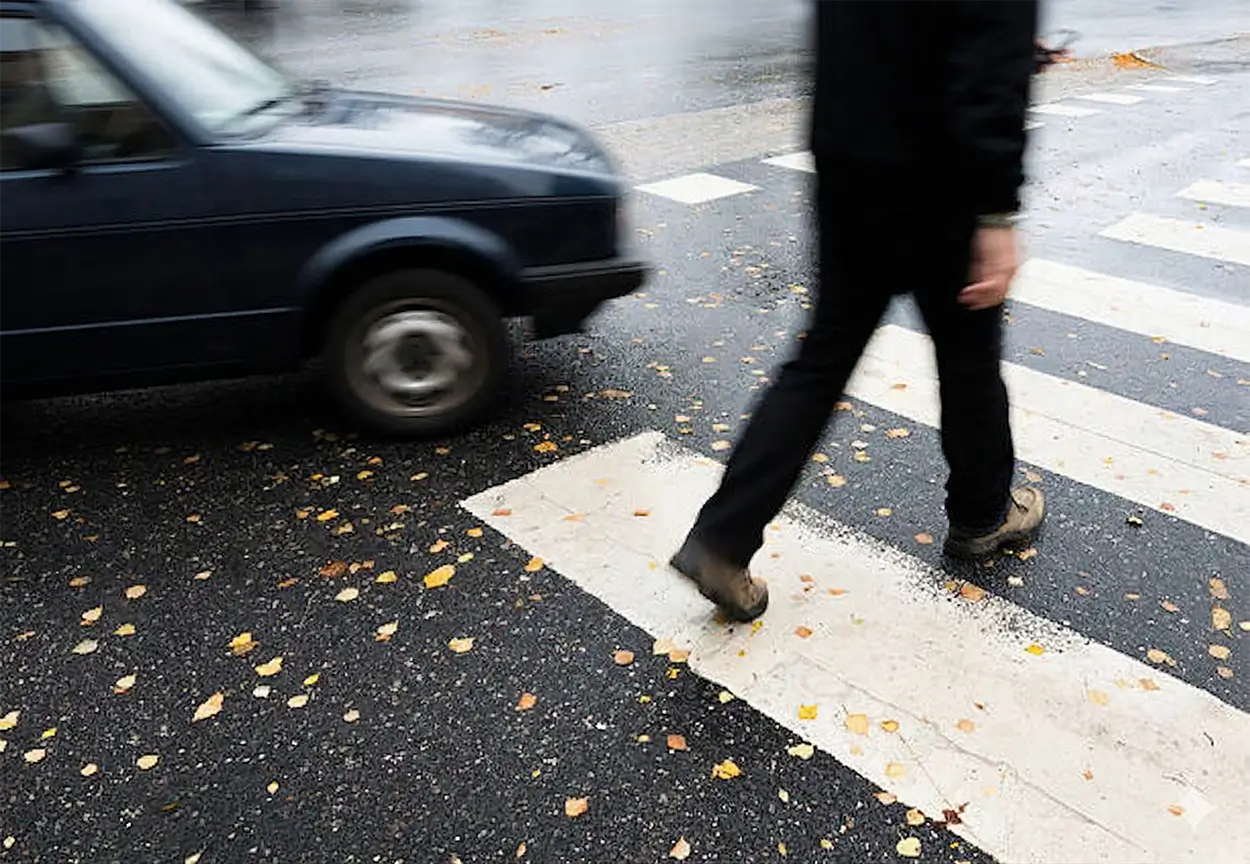
A pedestrian accident does not have to involve high speeds to cause serious harm. Without the protection of a vehicle, even a brief impact can lead to broken bones, head injuries, or long-term pain. For many people in Spring and across the greater Houston area, physical recovery is only part of the challenge—the legal side can feel just as overwhelming.
One of the first questions people ask is “who is responsible? Can both sides share blame? How does that affect compensation?” The answer usually depends on what happened in the moments leading up to the crash.
How Negligence Is Evaluated
In most cases, fault comes down to negligence. This means looking at whether someone failed to act with reasonable care and whether that failure caused the accident.
Investigators review details such as speed, traffic signals, lighting conditions, and whether the driver or pedestrian was paying attention. These factors may seem minor at first, but they often shape the outcome of a case.
A driver who was speeding, distracted, running a red light, or turning without checking a crosswalk may be at fault. A pedestrian, however, may share responsibility if they entered traffic against a signal or crossed in an unsafe location.
Even then, the analysis does not stop there. A key question remains: could the driver have avoided the crash with reasonable care?
Why Driver Behavior Often Matters Most
In many cases, liability centers on how the driver behaved before the accident. Drivers are expected to stay alert, control their speed, and yield to pedestrians when required.
Common scenarios include:
- A driver turning left while focusing only on oncoming traffic
- A right turn where the driver rolls forward into a crosswalk
- Parking lot incidents near store entrances or between parked cars
These situations are common in busy areas like Spring and throughout the greater Houston area. Drivers are expected to anticipate pedestrian movement, especially where foot traffic is frequent.
Even when visibility is limited, drivers still have a duty to proceed with caution. Failing to do so can play a major role in determining fault.
How Comparative Fault Works in Texas
Texas follows a modified comparative fault system. This means both the driver and the pedestrian can share responsibility.
If a pedestrian is found partially at fault, their compensation may be reduced by that percentage. For example, if someone is found 25 percent responsible, their recovery would be reduced accordingly.
However, if the pedestrian is found more than 50 percent responsible, they may not be able to recover damages.
Because of this, insurance companies often try to shift blame. They may argue that the pedestrian was distracted, crossing outside a crosswalk, or not paying attention. These arguments can significantly affect the outcome of a claim.
Determining Who Is Responsible
The question of who is at fault is rarely decided by a single detail. Being outside a marked crosswalk, for example, does not automatically make a pedestrian responsible.
Drivers still have a duty to avoid accidents when possible. If a driver was speeding, distracted, or failed to notice something they reasonably should have seen, they may still be held accountable.
Visibility is another factor that comes up often. Insurance companies may claim the pedestrian was hard to see due to lighting or clothing. While these details may be considered, they do not remove a driver’s responsibility to maintain awareness in areas where pedestrians are expected.
Each case depends on the full set of facts, not just one piece of the story.
Evidence That Can Help Prove Fault
Clear, early evidence often makes the biggest difference in how fault is determined.
Medical care should come first. Prompt treatment not only protects your health but also creates a record connecting the injuries to the crash.
Other helpful evidence may include:
- Photos of the scene, including signals, markings, and lighting
- Witness statements
- Surveillance or traffic camera footage
- Police reports
Video footage can be especially important, but it is often deleted quickly. Acting early can help preserve it.
The stronger the evidence, the harder it becomes for insurers to shift blame or minimize what happened.
Get Answers About Your Next Steps
If you or a loved one has been injured and you have questions about fault, you do not have to figure everything out on your own. JB Law Group, PLLC works with clients in Spring and throughout the greater Houston area, providing direct attorney involvement from start to finish. Every injury is personal, and that approach shapes how each case is handled.
If you need help understanding pedestrian accident liability, contact JB Law Group, PLLC today to schedule a consultation and talk through your options.