

NO FEES UNLESS WE WIN — SCHEDULE YOUR FREE CONSULTATION TODAY!
Houston Truck & 18-Wheeler Accident Lawyer
Big trucks do not leave small problems. When a semi or 18-wheeler hits a car, the people in the smaller vehicle usually take the worst of it. One crash can mean surgery, months of rehab, and a long fight with an insurance company that wants to move on quickly.
If you were hit by a truck in Houston, Spring, The Woodlands, or nearby areas in Montgomery or Harris County, this page walks through what you are up against and how a Houston truck accident lawyer can help. It explains what makes truck cases different, who may be responsible, and what steps to take now to protect yourself.

Why Are Truck Accidents Different from Car Accidents?
Truck and 18-wheeler cases are not just “big car accidents.” The stakes are higher, and the rules are different.
Truck and 18-wheeler crashes often involve:
- Size and weight. A fully loaded 18-wheeler can weigh up to 80,000 pounds. The force in a crash is much greater than in a passenger-car wreck.
- More serious injuries. Occupants of smaller vehicles often suffer severe or fatal injuries.
- Federal trucking rules. Truck drivers and motor carriers must follow federal hours-of-service, maintenance, and record-keeping rules.
- Multiple insurance policies. There may be separate policies for the driver, the carrier, the trailer, and the cargo.
- Corporate defendants. A case may involve a trucking company, broker, shipper, or maintenance contractor, not just the driver.
Because of these factors, a truck case usually needs a deeper investigation and more evidence than a standard car accident claim.
Why Do I Need a Houston Truck Accident Lawyer?
You are not required to hire a lawyer after a truck or 18-wheeler accident, but trying to handle a serious case alone can be overwhelming. Trucking companies and insurers move fast after a crash.
A Houston truck accident lawyer can:
- Handle the trucking and insurance companies. They deal with calls, letters, and settlement offers so you do not have to.
- Protect your rights early. A lawyer helps you avoid recorded statements, broad medical releases, and quick settlements that may not be fair.
- Preserve critical evidence. They can send preservation letters and work to secure black box data, logs, videos, and company records before they are lost.
- Investigate the cause of the crash. This can include reviewing logs, maintenance records, hiring and training materials, and safety policies.
- Calculate the full impact of your injuries. Serious injuries may affect your work, family, and future medical needs for years.
- File a lawsuit if needed. If the insurer will not be reasonable, a lawyer can file suit and prepare the case for court.
The goal is to let you focus on healing while someone else handles the legal and insurance issues.


What are Common Causes of Truck & 18-Wheeler Accidents?
Many truck and 18-wheeler crashes can be traced to preventable choices by drivers or companies. Some of the most common causes include:
- Driver fatigue and hours-of-service violations. Ignoring rest rules can lead to slow reaction times and poor judgment.
- Distracted driving. Phones, in-cab devices, and other distractions take attention away from the road.
- Speeding and following too closely. Heavy trucks need more distance to stop, especially in traffic or bad weather.
- Drunk or drug-impaired driving. Impairment makes it harder to react to changing traffic.
- Poor training or negligent hiring. Putting unqualified drivers in charge of large trucks increases the risk for everyone.
- Overloaded or unsecured cargo. Shifting or falling loads can cause rollovers, jackknifes, and multi-vehicle crashes.
- Lack of maintenance or defective parts. Worn brakes, tires, or steering components can fail at critical moments.
Identifying the true cause of a truck crash often means looking beyond the scene and into how the trucking company operates.
What are Common Types of Truck Accidents?
Truck and 18-wheeler wrecks can happen in many different ways. Examples include:
- Rear-end and underride crashes. A truck that plows into the back of a smaller vehicle can crush the rear cabin or force the smaller vehicle under the trailer.
- Jackknife accidents. When the trailer swings out and folds toward the cab, it can block multiple lanes and hit several vehicles.
- Rollover crashes. Speed, sharp turns, unstable loads, and soft shoulders can cause a truck to roll onto its side or roof.
- Wide-turn and blind-spot collisions. Large blind spots and wide turning paths make it easy for trucks to strike vehicles, cyclists, or pedestrians nearby.
- Lane-change and sideswipe crashes. A truck that changes lanes without enough room can sideswipe vehicles or push them into barriers or other lanes.
- Lost-load and cargo spill crashes. Poorly secured freight can fall off or shift, leading to sudden hazards and secondary crashes.
- Fatal truck and 18-wheeler accidents. Some crashes result in deaths and lead to wrongful death claims by surviving family members.
Each type of crash raises different questions about how the driver and company should have acted.


Who Can Be Held Liable After a Truck Accident?
Responsibility in a truck or 18-wheeler case is not always limited to the driver. Depending on the facts, several parties may share blame, including:
- The truck driver, for speeding, distraction, fatigue, or impairment.
- The trucking company or motor carrier, for unsafe policies, poor training, or pushing drivers to break safety rules.
- A broker or shipper, if they controlled key safety decisions or cargo loading.
- A maintenance or repair company, if negligent work contributed to the crash.
- The truck or parts manufacturer, if a defective component failed.
- Other drivers, when their actions trigger chain-reaction crashes.
Sorting out who is responsible often requires reviewing contracts, company records, and technical evidence—not just the crash report.
Important Evidence in Houston Truck & 18-Wheeler Accident Cases
Evidence in a truck case goes far beyond basic photos and police reports. Important items can include:
- Electronic logging device (ELD) and black box data showing speed, braking, and hours on the road.
- Driver logs and dispatch records that track duty status and trip details.
- GPS, fuel, and toll records that reveal routes and timing.
- Maintenance and inspection records for both tractor and trailer.
- Company safety policies and training materials that show how the company treated safety.
- Hiring and personnel files that may reveal prior violations or red flags.
- Crash scene evidence, such as damage patterns, skid marks, and debris.
- Witness statements and available video, including dash-cam or surveillance footage.
Because some of this information is in the hands of the trucking company, acting quickly can make a big difference in what evidence is available.

Compensation You May Recover After a Truck or 18-Wheeler Accident
The harm from a truck or 18-wheeler wreck can go far beyond the initial hospital visit. Depending on the case, an injured person may be able to seek compensation for:
- Medical bills, including emergency care, surgery, and follow-up treatment.
- Rehabilitation and physical therapy for ongoing recovery.
- Future medical needs when injuries have long-term effects.
- Lost wages while unable to work.
- Loss of future earning capacity if returning to the same job is not possible.
- Pain and suffering and loss of enjoyment of life.
- Physical impairment and scarring.
- Vehicle and property damage.
- Wrongful death damages for surviving family members after a fatal crash.
Any settlement or verdict should reflect both what has already happened and what the injured person is likely to face in the future.
How Fault Affects Texas Truck Accident Cases
Texas follows a modified comparative fault rule. This means fault is divided between the people involved in the crash.
In basic terms:
- You can still recover money if you are 50% or less at fault,
- Any recovery is reduced by your percentage of fault, and
- If you are more than 50% at fault, you usually cannot recover from the other party.
Trucking and insurance companies may try to push more blame onto the injured person to reduce what they pay. Evidence from the scene, truck data, and witnesses can help show what really happened and challenge unfair fault claims.


How Long Do I Have to File a Truck Accident Lawsuit in Texas?
Most Texas personal injury and wrongful death cases arising from truck accidents are subject to a two-year statute of limitations measured from the date of the crash. If a lawsuit is not filed in time, the right to seek compensation in court may be lost.
There can be limited exceptions, but they are rare. In addition, waiting too long can make it harder to find witnesses, preserve records, or obtain electronic data from the truck.
Even though two years may sound like a long time, it is safer to speak with a truck accident lawyer soon after the crash so deadlines and evidence are not missed.
What To Do After a Truck or 18-Wheeler Accident in Houston
After a crash with a truck or 18-wheeler, it can be hard to think clearly. A simple checklist can help protect your health and your claim.
If you are able, try to:
- Get to safety. Move away from traffic and out of harm’s way.
- Call 911. Report the crash and request medical help if anyone may be hurt.
- Seek medical care. Get checked out, even if you feel “fine.” Some injuries show up later.
- Exchange information. Get the driver’s name, contact details, and insurance information.
- Gather evidence. Take photos or video of the vehicles, the road, skid marks, cargo, and visible injuries.
- Collect witness details. Ask for names and contact information for anyone who saw what happened.
- Be careful what you say. Do not admit fault or guess about what happened.
- Avoid recorded statements. Do not give a recorded statement to the trucking company or its insurer before speaking with a lawyer.
- Save documents. Keep medical records, bills, time-off notes, and any letters or emails from insurance companies.
- Talk with a truck accident lawyer. Getting legal advice early can help you avoid mistakes and understand your options.
Small steps taken early can make it much easier to build a strong case later.

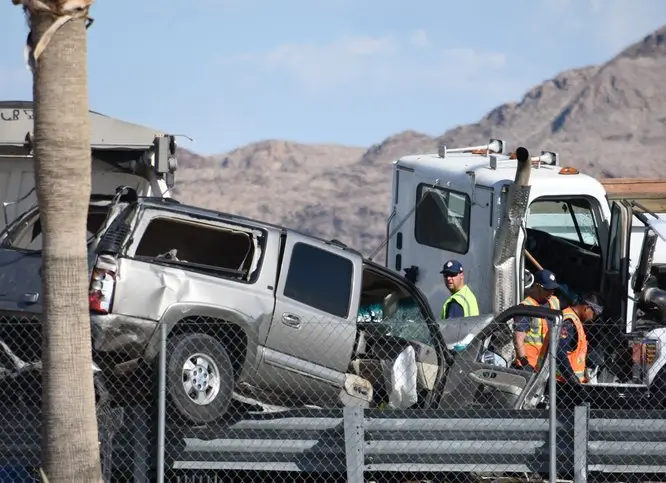
Common Serious Injuries in Houston Truck & 18-Wheeler Accidents
Large trucks can cause devastating injuries, even at moderate speeds. Common serious injuries include:
- Neck and back injuries and herniated discs
- Spinal cord injuries and paralysis
- Traumatic brain injuries and concussions
- Multiple fractures and crush injuries
- Internal bleeding and organ damage
- Severe burns and scarring
- Wrongful death
People with serious injuries often face long recoveries, changes in work and family life, and ongoing medical needs. For more details on these kinds of cases, visitors can also review the Serious Personal Injuries page and the Wrongful Death page.
Call Our Houston Truck Accident Lawyer Now
You do not have to face a truck or 18-wheeler accident case alone.
If a careless truck driver or unsafe trucking company hurt you or a loved one, JB Law Group, PLLC is ready to review your situation.
Call (281) 201-5548
Or fill out the online contact form.
Our law office can explain your options, deal with trucking and insurance companies, and seek fair compensation for medical bills, lost income, and the stress caused by the crash.
JB Law also handles car accidents, motorcycle, moped, and scooter accidents, pedestrian and bicycle accidents, slip and fall injuries, dog bite injuries, and other serious personal injury cases.
There is no obligation to reach out. Getting clear answers now can help you decide what to do next after a truck or 18-wheeler accident in the Houston area.
Schedule a Confidential Consultation
"*" indicates required fields


Experience and Awards
10+
Over 10 years of experience
100+
Over 100 trials handled
$0
No Attorney Fees Unless We Win
$$$
Millions recovered for plaintiffs
TOP 40
Top 40 Under 40 – National Trial Lawyers

Recognized as a “Rising Star” by the American Institute of Legal Advocates
MULTIPLE JURISDICTIONS