Uninsured Motorist Claim in Texas: Your Houston UM/UIM Guide
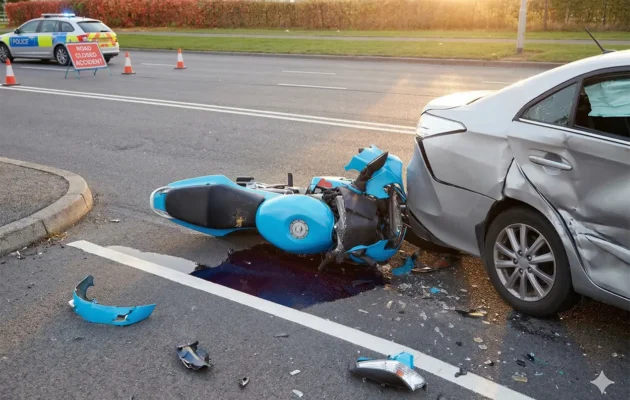
Getting into a crash is bad enough—but it’s even worse when the other driver has no insurance. Unfortunately, this happens more often than people realize. Many Texas drivers are either uninsured or underinsured, which can leave victims stuck with medical bills, car repairs, and other unexpected costs. If you’re in this situation, you may be able to file an uninsured motorist claim in Texas through your own policy.
This type of coverage—called UM/UIM—can make a major difference, but the process isn’t always smooth. Here’s how it works and what to do if you were hit by someone without enough (or any) insurance.
What Is an Uninsured Motorist Claim in Texas (UM/UIM)?
Uninsured Motorist (UM) coverage applies when the at-fault driver doesn’t have liability insurance or flees the scene in a hit-and-run. Underinsured Motorist (UIM) coverage kicks in when the other driver’s insurance isn’t enough to pay for your losses.
Texas insurers are required to offer UM/UIM coverage. In fact, Texas law requires insurers to include it unless the policyholder rejects it in writing. If you didn’t opt out, it’s likely included in your policy. You can confirm this by checking your declarations page.
Real-World Scenarios in Houston
These claims aren’t just technicalities—they come into play in everyday crashes around the city. For example:
- If you’re rear-ended on the 610 Loop and the other driver only carries the state minimum of $30,000 in coverage, but your ER bill comes to $40,000, your UIM coverage can help cover the gap.
- After a hit-and-run on I-45 where the driver disappears and no license plate is captured, UM may apply if you reported the crash quickly and met your policy’s conditions.
- Even if you weren’t in a car—say you were walking or biking through Midtown—UM/UIM coverage can still apply as a pedestrian or cyclist.
- If a crash involves a delivery or rideshare driver, UM/UIM may coordinate with commercial insurance policies to cover what’s missing.
Watch Out for Pushback from Your Own Insurer
Filing a UM or UIM claim often feels like filing a claim against someone else’s insurance. That’s because your own insurer now has to evaluate the case and decide how much to pay—and they may not be eager to offer the full amount you need.
You may face delays or denials. Your insurer might dispute who was at fault or whether your injuries were crash-related. That’s why it’s important to document everything, from treatment records to communication with adjusters. Keep copies of all emails, log your phone calls, and stick to facts—not guesses—when answering questions.
What About PIP?
Personal Injury Protection (PIP) is another part of many Texas auto policies. It pays some medical expenses and lost income right away, regardless of who was at fault. UM/UIM, on the other hand, comes into play once fault has been established and the other driver’s coverage (or lack of it) is clear. Many people use both, depending on the severity of the crash.
What to Do Right After the Crash
The first few days are critical. You should get medical care right away—even if you feel okay. Adrenaline can hide pain, and having a clear medical record early on strengthens your claim.
File a police report as soon as possible and get the report number. Later, you can order the full crash report directly from the Texas Department of Transportation (TxDOT), which many insurers will ask for when processing your claim.
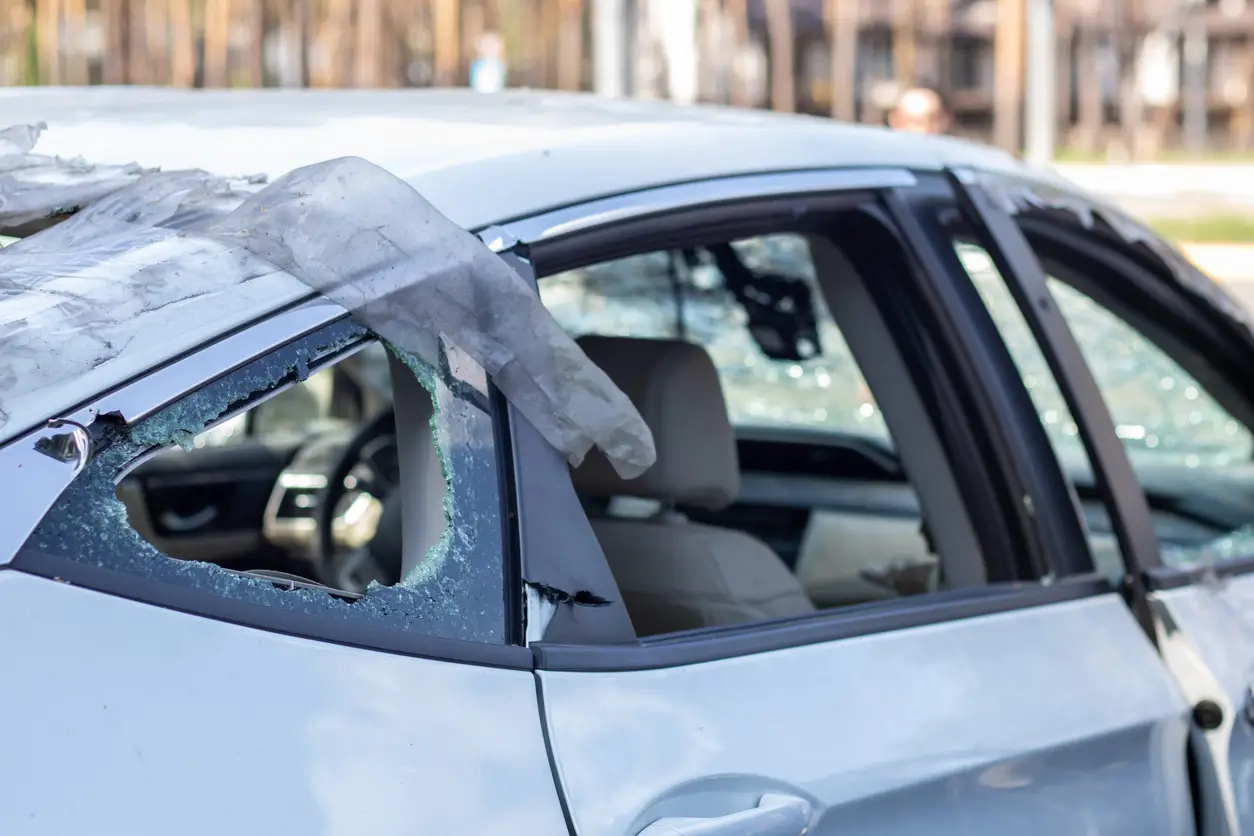
Take photos of the damage, save dash-cam clips if you have them, and write down witness names if anyone saw the crash. Let your insurer know you may be filing a UM or UIM claim. Be honest and stick to basic facts. If they ask for a recorded statement, you can decline until you speak with a lawyer. Review your policy for coverage limits and start a file to track receipts, medical bills, and missed work.
Proof You’ll Need
To move a UM/UIM claim forward, you’ll likely need to show medical records, proof of lost income, and evidence of vehicle damage. Your insurer may also ask for a copy of the at-fault driver’s insurance limits—or proof they had none. In hit-and-run cases, a prompt police report is especially important, along with any supporting evidence like photos of the impact, traffic camera footage, or witness statements.
Can You Stack UM/UIM Coverage in Texas?
Sometimes. If your household has multiple vehicles or policies, you might be able to “stack” coverage—combining limits to increase the payout available. But many policies have anti-stacking clauses. It’s best to have a lawyer review the fine print to see what’s allowed in your case.
Common Insurer Tactics and How to Handle Them
Your adjuster might ask for broad medical releases that go far beyond crash-related care. You can limit what you authorize. They may argue your injuries were pre-existing or downplay the seriousness of your treatment, especially if vehicle damage looks minor. They might even make a low first offer, hoping you’ll settle quickly.
Push back with records, not emotion. Make sure you have full documentation of your treatment, income loss, and how the crash affected your daily life.
What Should a Fair Payout Cover?
A proper UM/UIM settlement should account for more than just medical bills. It may include lost wages, damage to your vehicle, ongoing treatment, and even non-financial impacts like pain, reduced mobility, or changes in your ability to work or care for your family.
If someone died in the crash, wrongful death damages may also be available under the policy.
Don’t Miss the Deadline
In most Texas injury cases, you have two years to file a lawsuit. But don’t wait that long. Many insurance policies require “prompt notice” of a UM or UIM claim—sometimes as little as 30 days. Hit-and-run cases often have stricter requirements. Late notice can cost you coverage.
When to Call a Lawyer
Handling a UM or UIM claim alone can be risky. You’re dealing with your own insurer, but they’re not always on your side. A lawyer can read the policy, handle the paperwork, push for a better offer, and step in if your insurer drags things out or denies your claim unfairly.
Call JB Law for Help with a UM/UIM Claim in Houston
Being hit by an uninsured or underinsured driver can leave you feeling stuck—especially when your own insurance company isn’t offering the support you expected. Filing an uninsured motorist claim in Texas often means dealing with delays, lowball offers, or outright denials, even when your coverage should apply.
At JB Law, we help Houston drivers handle these claims every day. We understand how Texas insurers operate and what it takes to push back when they refuse to pay what’s fair. Whether your case involves a hit-and-run, a low-limit policy, or a stalled payout, we work to protect your rights and fight for the full compensation your policy should provide.
We’ll walk you through your coverage, handle all communication with the insurer, and build a claim that reflects the true cost of your injuries, car damage, and long-term impact. And if they won’t settle fairly, we’re ready to take the next step.
.Call JB Law today to schedule a free, no-pressure case review. We serve clients across Houston, Spring, and the surrounding areas.