Uber and Lyft Accidents in Houston: Insurance Coverage & Liability

Rideshare services like Uber and Lyft are part of everyday life in Houston. For many residents, they offer a convenient alternative to commuting, parking, and late-night driving. But when an accident happens, things become complicated quickly. One of the first questions people ask is how insurance coverage for Uber and Lyft accidents in Houston actually works. Determining which insurance applies—and when—depends on several factors, including the driver’s status in the app, the type of collision, and whether other motorists are involved. Understanding these distinctions makes it easier to protect your rights and pursue compensation after a crash.
How Rideshare Insurance Works in Texas
Insurance for Uber and Lyft drivers doesn’t operate the same way traditional auto policies do. The coverage available after a crash shifts depending on whether the driver’s app is on or off.
1. Driver app OFF
If the driver is not logged into the app, the accident is treated like any other crash involving a personal vehicle. The driver’s own auto insurance is responsible for coverage. Uber and Lyft do not provide protection during this period.
2. Driver app ON, waiting for a ride request
Once the driver logs in, the situation changes. Both rideshare companies provide contingent liability coverage. These policies typically include modest bodily injury and property damage protection, but they are secondary to the driver’s personal policy. This stage often triggers confusion because many claimants are unsure which policy applies to Uber and Lyft when the driver is technically working but not transporting anyone. In Texas, the rideshare company’s liability policy activates only if the driver’s personal policy denies or does not fully cover the claim.
3. Passenger on board or driver en route to pick one up
When the driver is on the way to a rider—or already has a passenger in the vehicle—Uber and Lyft provide their highest level of coverage. This commercial policy includes:
- Bodily injury liability
- Property damage
- Uninsured/underinsured motorist protection
- Sometimes contingent comprehensive and collision coverage
During this phase, the rideshare company’s policy is primary. This is the stage most involved in a rideshare accident claim in Texas because passengers, drivers, and third parties often experience injuries requiring medical attention.
Third-Party Liability and Passenger Rights
Many collisions involve more than just the rideshare driver and passenger. A negligent third party—another motorist, commercial vehicle, or distracted driver—may be fully or partially responsible. In these situations, third-party liability rideshare claims come into play.
Passengers can typically pursue compensation from the at-fault driver’s insurance for:
- Medical bills
- Lost income
- Pain and suffering
- Vehicle damage (if applicable)
Uber and Lyft’s policy may supplement coverage if the other driver is uninsured or underinsured. Even rideshare drivers may file claims against a negligent third party if they were injured on the job. Because different insurance policies overlap, gathering strong evidence at the scene—photos, video, witness information, and trip documentation—can help clarify which insurer must pay.
Why Rideshare Claims Become Complicated
Unlike standard car accidents, rideshare collisions involve multiple insurers who may disagree on responsibility. Coverage can hinge on split-second details: Was the app active? Was the driver en route to a passenger? Was the driver considered “online” at the time of the impact?
These gray areas lead many victims to contact a Lyft accident lawyer in Houston or an Uber rideshare attorney to help sort through competing policies. Another challenge arises when drivers attempt to handle claims themselves and unknowingly provide statements that insurers later use to limit or deny compensation. Legal guidance helps prevent those missteps.
Protecting Your Claim After an Uber or Lyft Accident
If you’re involved in a rideshare crash, the steps you take immediately afterward can influence the outcome of your claim.
- Call the police and file an official report.
- Document everything—photos, videos, damage, injuries, debris, license plates.
- Report the crash through the Uber or Lyft app to create a digital record.
- Seek medical care, even if symptoms seem mild.
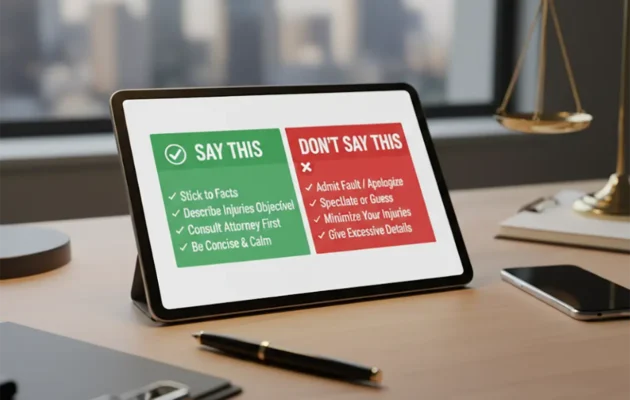
- Avoid recorded statements until you speak with a legal professional.
- Keep evidence organized, including receipts, medical reports, and communication with insurers.
Many people don’t realize that even brief statements to adjusters can affect their claim value. Because multiple insurers may be involved, having representation helps ensure nothing gets overlooked.
Why Legal Help Matters in Rideshare Accidents
Crashes involving Uber or Lyft are rarely simple, particularly in a busy metropolitan area like Houston. An attorney experienced in rideshare cases can pinpoint which insurance coverage applies, secure app activity logs, analyze company policies, and negotiate with multiple insurers at once. This level of support helps injured passengers, drivers, and third parties pursue the compensation they are entitled to under Texas law.
JB Law Group for Houston Rideshare Accident Victims
At JB Law Group, PLLC, we understand how overwhelming the aftermath of a rideshare accident can feel. .Whether you’re unsure how Uber and Lyft accident insurance in Houston applies to your case or you need help navigating a complex rideshare accident claim in Texas, our attorney handles your case personally from day one. We analyze every possible source of coverage, negotiate with insurers, and protect your rights through every step of the process. Reach out today to speak with a team that puts your recovery first and helps Houston victims move forward with confidence.