Slip and Fall Accidents in Texas: When Property Owners Can Be Held Liable
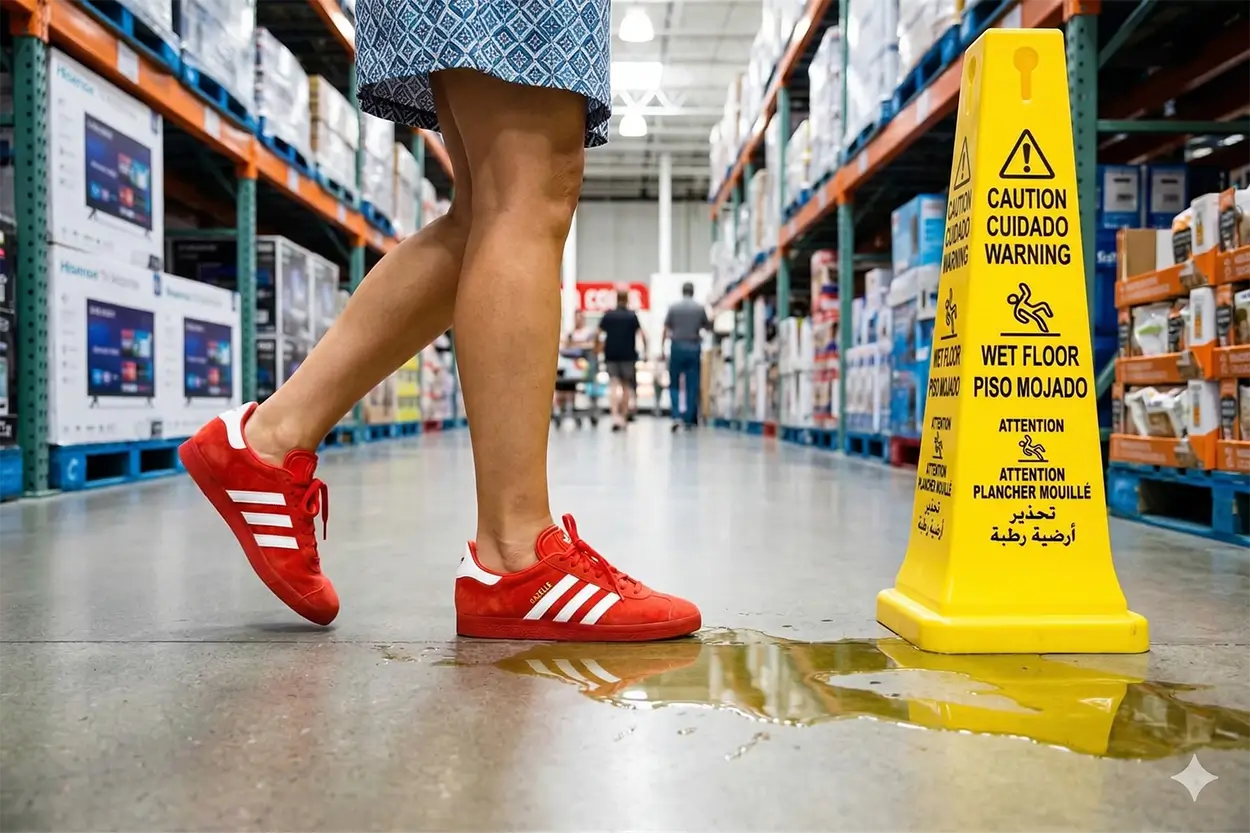
Slip and fall accidents in Texas don’t usually start as dramatic events. Someone walks into a store, heads toward a stairwell, or crosses a parking lot. A slick surface or uneven walkway goes unnoticed. In seconds, they are on the ground.
What follows can be far more serious than people expect. Broken wrists, hip fractures, back injuries, or concussions can mean months of treatment and time away from work. For many families in Spring and throughout the greater Houston area, the financial pressure sets in quickly.
When a dangerous property condition leads to a fall, the injured person may have the right to seek compensation. However, these cases are not automatic and depend on how Texas slip and fall liability is established.
Why These Cases Are Often Disputed
Many people assume that if they fall on someone else’s property, the owner is responsible. In reality, slip and fall accidents in Texas fall under premises liability law, which focuses on whether the property owner acted reasonably.
The presence of a hazard alone is not enough. The injured person must show that the owner knew about the danger, or should have known about it, and failed to fix it or provide a warning.
Insurance companies frequently argue that:
- The hazard appeared moments before the fall
- The injured person was distracted
- The condition was open and obvious
- The owner had no reasonable opportunity to correct it
Because of these defenses, strong evidence is essential from the beginning.
Understanding Texas Slip and Fall Liability
Texas slip and fall liability generally requires proof of three key elements:
- A dangerous condition existed on the property.
- The owner had actual or constructive notice of the condition.
- The owner failed to take reasonable steps to correct it.
Dangerous conditions can include liquid spills in grocery aisles, freshly mopped floors without warning signs, broken steps, loose handrails, torn carpeting, poor lighting, or uneven pavement.
Notice is often the central issue. Actual notice means the owner or an employee was aware of the hazard. Constructive notice means the condition existed long enough that reasonable inspections would have uncovered it.
For example, if surveillance footage shows a spill sitting on a store floor for an extended period without cleanup, that may support constructive notice. On the other hand, if the spill occurred seconds before the fall, liability becomes more difficult to establish.
Property Owner Liability Texas Law Recognizes
Property owner liability imposed by Texas law depends partly on why the person was on the property.
Customers in retail stores, tenants in apartment complexes, and invited guests are typically owed a duty of reasonable care. Businesses are expected to conduct inspections, maintain safe premises, and correct hazards within a reasonable time.
A store in Spring should regularly monitor aisles for spills. An apartment complex in the greater Houston area must maintain common stairways and walkways in safe condition. When those responsibilities are ignored, the injured person may have grounds for a claim.
The legal duty owed to trespassers is more limited, but most slip and fall injury claim Texas cases involve lawful visitors.
Building a Strong Slip and Fall Injury Claim That Texas Courts Will Recognize
Evidence can make or break a slip and fall injury claim evaluated by Texas courts. Property conditions are often cleaned or repaired quickly after an incident. Without documentation, it becomes easier for insurers to dispute what happened.
Helpful evidence may include:
- Photographs of the hazard and surrounding area
- Surveillance video
- Incident reports
- Witness names and statements
- Maintenance and inspection records
- Prompt medical documentation
Medical records are especially important. Seeking treatment quickly creates a clear link between the fall and the injury. Gaps in care often become arguments for the defense.
Damages in slip and fall accidents in Texas may include emergency treatment, follow-up care, physical therapy, lost income, reduced earning capacity, and pain and suffering. Keeping organized records of expenses and missed work can strengthen the claim.
Shared Fault and Comparative Responsibility
Property owners often argue that the injured person shares blame. They may claim the hazard was obvious or that reasonable caution would have prevented the fall.
Texas applies a modified comparative fault rule. If an injured person is partially at fault, their compensation may be reduced. If they are found more than 50 percent responsible, they may not recover damages at all.
Because of this rule, the details surrounding how the fall occurred matter greatly. A clear timeline and thorough investigation can protect the value of the claim.
Time Limits for Filing
In most situations, Texas law allows two years from the date of the fall to file a lawsuit. Waiting too long can mean losing the right to pursue compensation.
There are also practical reasons to act sooner. Surveillance footage may be erased within days. Witnesses may move. Maintenance logs may be lost. Early action helps preserve critical evidence.
For injured individuals in Spring and across the greater Houston area, timely legal guidance can make a significant difference.
Protect Your Rights After a Slip and Fall
If you were injured in slip and fall accidents in Texas and believe a property owner’s negligence played a role, you do not have to sort through the legal process alone. JB Law Group, PLLC represents clients in Spring and throughout the greater Houston area with direct attorney involvement from start to finish. You will work with the same attorney who evaluates your case, gathers evidence, and negotiates with insurers.
If you are considering a slip and fall injury claim allowed under Texas law, contact JB Law Group, PLLC today to schedule a consultation and discuss your options for pursuing compensation under Texas slip and fall liability standards.