

NO FEES UNLESS WE WIN — SCHEDULE YOUR FREE CONSULTATION TODAY!
Houston Motorcycle Accident Lawyer
A serious motorcycle crash raises hard questions quickly:
Who pays for the medical care? How long will I be out of work? What are my rights if the driver says they “didn’t see” the bike?
This page is for riders in Houston, Spring, The Woodlands, and nearby areas in Montgomery and Harris Counties who are dealing with those questions after a wreck. It outlines how a Houston motorcycle accident lawyer looks at these cases, how fault and compensation work under Texas law, and the practical steps you can take after a crash.
Why Do I Need a Houston Motorcycle Accident Lawyer?
One of the first questions many riders have after a wreck is whether they really need a lawyer at all, or if they should just “work it out” with the insurance company.
Motorcycle riders often get blamed for crashes, even when a driver clearly pulled out, turned left, or changed lanes without looking. Adjusters may assume you were speeding, weaving, or “taking risks,” just because you were on a bike.
A Houston motorcycle accident lawyer can:
- Handle the insurance companies.
Insurers may call soon after the crash, ask for a recorded statement, and suggest a quick payout. A lawyer takes over these calls and letters so you do not have to deal with them alone. - Protect your rights early.
You can get help before you sign any forms, give a statement, or accept a low offer that does not cover your real losses. - Investigate how the crash happened.
This can include reviewing the police report, photos and video, witness statements, and, when needed, accident reconstruction or other expert opinions. - Gather and organize medical proof.
A lawyer can collect records and bills, speak with your doctors when needed, and show how the crash changed your work and daily life. - Calculate your full losses.
Serious riding injuries can mean future surgeries, lasting pain, and limits on what you can do. A lawyer looks at future medical needs and long-term impact, not just current bills. - File a lawsuit if needed.
If the insurance company will not be reasonable, a lawyer can file suit and prepare to take the case to court.
What To Do After a Motorcycle Accident in Houston
Right after a crash, it is hard to think clearly. A basic checklist can help protect both your health and your claim.
If you are able, try to:
- Get to safety. Move yourself out of traffic if you can do so without further injury.
- Call 911. Report the crash and ask for an officer and medical help.
- Get medical care. Let paramedics check you and follow up with a doctor, even if you think you can “walk it off.” Some injuries show up later.
- Exchange information. Get the other driver’s name, contact details, and insurance information.
- Gather evidence. Take photos or video of the scene, vehicles, skid marks, road conditions, debris, and your visible injuries if you can.
- Get witness details. Ask for names and contact information for anyone who saw the crash.
- Be careful what you say. Do not admit fault or guess about speeds or distances. Stick to basic facts.
- Avoid recorded statements. Do not give a recorded statement to the other driver’s insurance company before you speak with a lawyer.
- Save all paperwork. Keep bills, receipts, time-off notes, and letters or emails from any insurer.
- Talk with a motorcycle accident lawyer. Getting legal advice early can help you avoid mistakes and understand your options.
Small steps taken early can make a big difference later.


Why Motorcycle Crashes Are Different from Car Accidents
Motorcycle riders do not have the protection of a metal frame, airbags, or seat belts. Even a “minor” impact that would be a small claim in a car can be serious on a motorcycle.
Key differences include:
- Less protection, more exposure. The rider’s body often takes the full force of impact.
- Higher risk of severe injury. Broken bones, head injuries, and road rash are common, even at lower speeds.
- Greater medical and financial impact. A broken leg or back injury can keep you off the job for weeks or months.
- Bias against riders. Some adjusters, jurors, and even police reports can lean toward blaming the motorcyclist.
Because of these differences, a motorcycle case often requires more detailed proof of injuries and more work to push back against unfair assumptions.
Common Causes of Motorcycle Accidents in Houston
Many Houston-area motorcycle crashes can be traced to drivers who do not take the time to look for bikes. Common causes include:
- Left-turn crashes at intersections. A driver turns left across the rider’s lane, saying “I didn’t see you” or “you came out of nowhere.”
- Failure to yield. Drivers pulling out of side streets, driveways, or parking lots into a rider’s path.
- Unsafe lane changes. A driver changes lanes without checking blind spots, cutting off a rider already in the lane.
- Following too closely. Rear-end crashes when drivers tailgate and cannot stop in time.
- Distracted driving. Phones, screens, and in-car systems that pull attention away from the road.
- Speeding and aggressive driving. Drivers weaving, speeding, or braking suddenly.
- Drunk or drug-impaired driving. Impaired drivers have slower reaction times and worse judgment.
- Road hazards. Potholes, loose gravel, oil, or debris that may be a minor issue for a car but a serious danger for a motorcycle.
Understanding what caused the crash helps show who should be held responsible.


Common Motorcycle Accident Injuries
Motorcycle crashes often lead to serious injuries because the rider has so little protection. Some of the most common injuries include:
- Road rash and skin injuries from sliding on pavement.
- Broken bones and fractures in arms, legs, ribs, hands, and feet.
- Head and traumatic brain injuries, even when a helmet is worn.
- Neck and back injuries, including herniated discs.
- Spinal cord injuries and paralysis.
- Internal injuries and organ damage.
- Serious scarring and disfigurement.
- Wrongful death in fatal crashes.
These injuries may require surgery, hospital stays, and long-term rehabilitation. They can also affect mood, sleep, and relationships.
People with serious injuries may also want to review the Serious Personal Injuries page and the Wrongful Death page for more detailed information on those types of cases.
Texas Motorcycle Laws That Can Affect Your Claim
Texas has specific rules that apply to motorcyclists. Some of these may come up in a claim after a crash.
Key points include:
- Helmet rules.
Riders under 21 must wear a helmet. Riders 21 and over may ride without a helmet only if certain conditions are met, such as completing a training course or having certain insurance. Whether you wore a helmet can affect how insurers argue about head injuries and damages. - Lane splitting.
Texas law does not allow lane splitting at this time. Riding between lanes of moving traffic can be treated as unsafe or unlawful conduct if a crash happens. - Traffic and equipment laws.
Motorcycles must follow the same basic traffic rules as other vehicles and must meet equipment requirements under Texas law.
Breaking a traffic rule does not automatically bar a claim, but it can affect how fault and damages are argued. The details of how the crash happened still matter.


Who May Be Liable After a Motorcycle Accident?
Liability in a motorcycle crash is not always limited to the driver of the other vehicle. Depending on the facts, several parties may share responsibility, such as:
- The at-fault driver. For failing to yield, turning left across your path, unsafe lane changes, distraction, speeding, or impairment.
- An employer or company, if the driver was in a work vehicle and on the job.
- A bar or restaurant, in limited cases where Texas dram shop law may apply after overserving a visibly intoxicated person who then causes a crash.
- A government entity or contractor, in rare cases involving visibly dangerous road design or neglected hazards.
- A parts or helmet manufacturer, if a defect in the bike or safety gear made injuries worse.
Understanding who may be liable helps identify all possible sources of insurance coverage and recovery.
Compensation You May Recover After a Motorcycle Accident
The fallout from a motorcycle crash can be physical, financial, and emotional. Depending on the case, an injured rider or passenger may be able to seek compensation for:
- Medical bills, including emergency care, surgery, hospital stays, and follow-up visits.
- Rehabilitation and physical therapy for ongoing recovery.
- Future medical care, such as additional surgeries, pain management, or assistive devices.
- Lost wages while you are unable to work.
- Loss of future earning ability if injuries affect your long-term career.
- Pain and suffering.
- Physical impairment and scarring.
- Loss of enjoyment of life, including limits on hobbies and activities you used to enjoy.
- Motorcycle repair or total loss.
- Wrongful death damages for eligible family members if the crash was fatal.
Any settlement or verdict should look at both what you have already dealt with and what you are likely to face in the future.
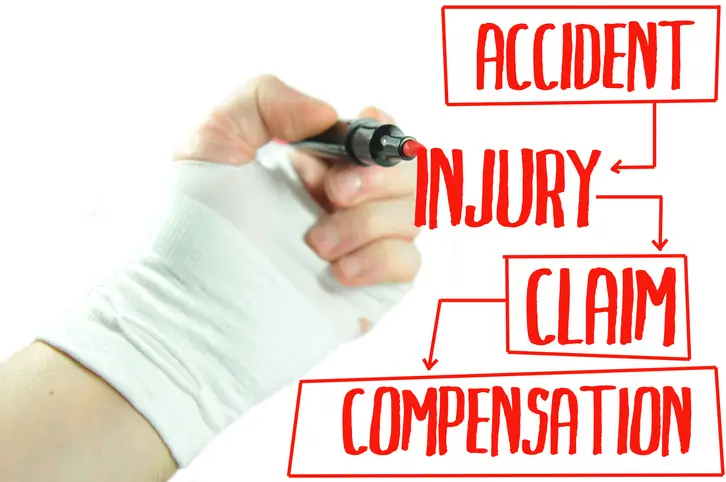

How Fault Affects Motorcycle Accident Claims in Texas
Texas uses a modified comparative fault system, sometimes called the 51% rule. In simple terms:
- You can still recover money if you are 50% or less at fault,
- Any recovery is reduced by your percentage of fault, and
- If you are more than 50% at fault, you usually cannot recover from the other driver.
Insurers often try to argue that riders share a large part of the blame, sometimes without strong proof. They may say you were speeding, lane-splitting, or “came out of nowhere.”
Evidence like scene photos, damage patterns, witness statements, and, where available, video can help push back against these claims and show what really happened.
What If I Wasn’t Wearing a Helmet?
Not wearing a helmet does not automatically mean you cannot bring a claim. But it can become an issue in certain cases.
Points to keep in mind:
- Texas law and helmet use.
As noted above, helmet rules depend on age and other factors. Whether you followed the rule is one factor, but not the only one. - Type of injuries.
Helmet use is more likely to be argued in cases involving head or brain injuries. For leg or arm fractures, for example, helmet use usually has little to do with the cause of those injuries. - Comparative fault arguments.
An insurer may argue that not wearing a helmet contributed to the severity of certain injuries and try to reduce what they pay.
Every case is fact-specific. A lawyer can look at the details of your crash, your injuries, and the law to give more precise guidance.


Bias and Stereotypes Against Motorcyclists
Many riders know the feeling: some people assume that if you ride, you must be reckless. That bias can show up in how police reports are written, how adjusters view your claim, and how jurors see your case.
Bias can affect:
- How fault is assigned. An adjuster may assume you were speeding or “weaving,” even with little proof.
- How injuries are valued. Long-term pain or limits may be downplayed because riding is seen as “choosing risk.”
- Settlement offers and trial outcomes, if this bias is not addressed.
A motorcycle accident claim often depends on telling the full story of who you are, how you ride, and what really happened, backed up with hard evidence rather than assumptions.
Dealing with Insurance After a Motorcycle Crash
Insurance companies handle claims every day. Most injured riders do not. That difference in experience can affect the outcome.
Some practical tips:
- Be cautious with early calls. Adjusters may sound friendly, but they are gathering information to use later.
- Do not give a recorded statement to the other driver’s insurer before getting legal advice.
- Do not sign broad medical releases that give an insurer access to your entire medical history, not just crash-related treatment.
- Be wary of quick settlement offers that arrive before you know the full extent of your injuries or future needs.
- Keep your own insurer informed, but be brief and factual.
A lawyer can step in, handle communication, and negotiate with insurers so you are not doing it on your own.


How Long Do I Have to File a Motorcycle Accident Lawsuit in Texas?
In many Texas motorcycle accident cases, the general deadline to file a personal injury or wrongful death lawsuit is two years from the date of the crash. This time limit is known as the statute of limitations.
If a lawsuit is not filed in time, you may lose the right to pursue your claim in court, no matter how strong the case might have been.
There are limited exceptions, but they are not common. Also, waiting until the last minute is risky because:
- Evidence can be lost or harder to find.
- Witnesses may move or forget details.
- It takes time to review records and prepare a case.
It is safer to speak with a motorcycle accident lawyer well before the deadline so key dates and evidence are not missed.
Call Our Houston Motorcycle Accident Lawyer Now
You do not have to handle a motorcycle accident claim on your own.
If a careless driver hurt you or a loved one while you were riding, JB Law Group, PLLC can review what happened and explain your options.
Call (281) 201-5548
Or fill out our online contact form.
Our Houston motorcycle accident lawyer can deal with the insurance companies, help document your injuries and losses, and work to seek fair compensation for medical bills, lost income, and the impact the crash has had on your life.
In addition to motorcycle crashes, JB Law also handles car accidents, truck and 18-wheeler accidents, pedestrian and bicycle accidents, slip and fall injuries, dog bite injuries, and other serious personal injury cases.
Time limits apply to injury cases, and important evidence can fade fast. If you’re unsure about your next step after a motorcycle accident in the Houston area, it’s better to ask your questions now than to wait and wonder what you should have done.
Schedule a Confidential Consultation
"*" indicates required fields


Experience and Awards
10+
Over 10 years of experience
100+
Over 100 trials handled
$0
No Attorney Fees Unless We Win
$$$
Millions recovered for plaintiffs
TOP 40
Top 40 Under 40 – National Trial Lawyers

Recognized as a “Rising Star” by the American Institute of Legal Advocates
MULTIPLE JURISDICTIONS