Motorcycle Left-Turn Crashes in Texas: Why Drivers Say “I Didn’t See the Bike”
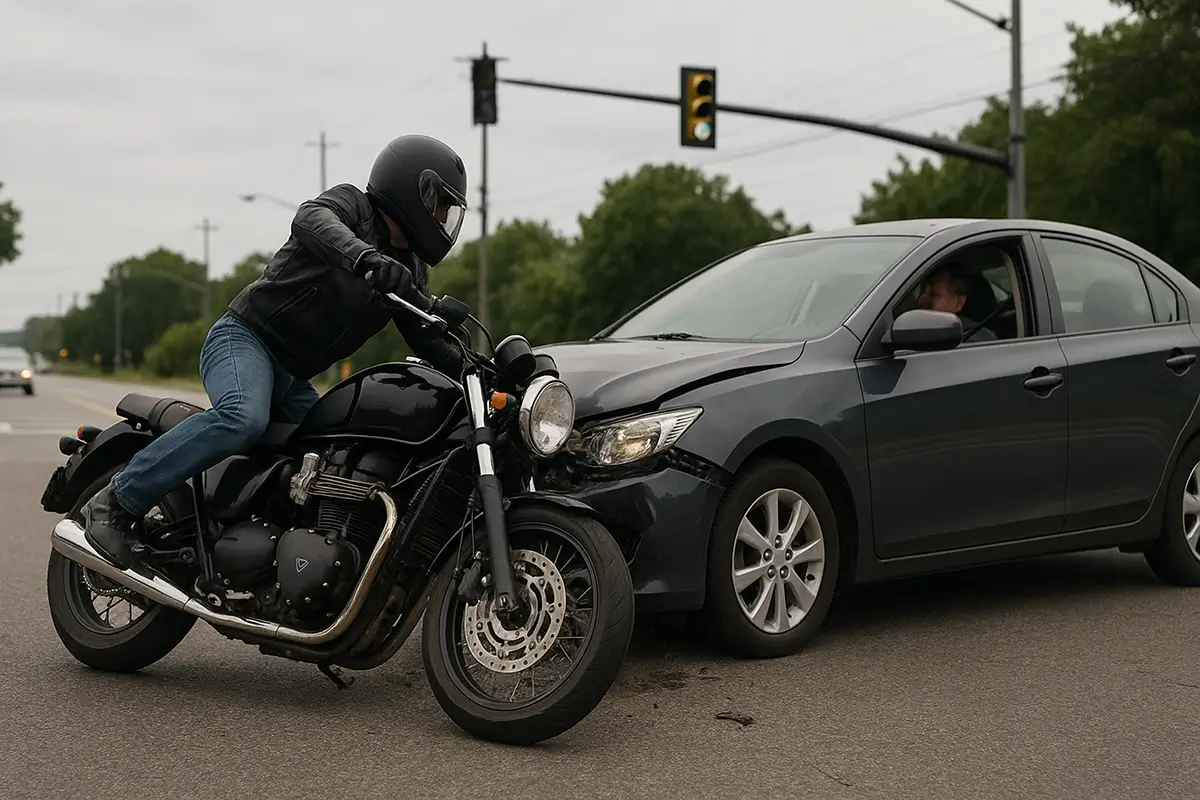
If you ride in Texas long enough, you hear the same story after a crash: a driver turns left across your lane and then says, “I didn’t see the bike.” For injured riders, that excuse doesn’t pay medical bills or replace lost income. A Texas motorcycle accident lawyer looks at these crashes by asking a few key questions: who had the right of way, why the driver failed to yield, and what proof will convince an insurance company or jury what really happened.
Why Left-Turn Motorcycle Accidents Are So Common for Riders
Intersections are one of the most dangerous places for riders. Federal crash data from the National Highway Traffic Safety Administration shows that motorcyclists are overrepresented in serious and fatal crashes, especially in multi-vehicle wrecks.
A huge share of those wrecks involves a familiar pattern:
- The rider is going straight through an intersection.
- A car or SUV coming the other way turns left across the rider’s lane.
- The rider has almost no time or space to react.
The Texas Department of Transportation (TxDOT) even runs a statewide “Share the Road: Look Twice for Motorcycles” campaign, which warns drivers that many motorcycle collisions happen at intersections when drivers turn without seeing the rider.
For the person on the bike, the result is often:
- Broken bones
- Head and brain injuries
- Road rash and soft-tissue damage
- Long periods off work
These are not minor fender-benders. A left-turn crash can change a rider’s life in seconds.
Texas Law on Left Turns and Right of Way
Texas traffic law is very clear about left turns. Under Texas Transportation Code § 545.152, a driver who turns left at an intersection must yield the right of way to a vehicle coming from the opposite direction that is in the intersection or close enough to be an immediate hazard. You can read the statute on the official Texas Transportation Code § 545.152 page.
In plain language:
- Drivers must wait until it is truly safe to turn left.
- If a motorcycle is close enough that the turn will cut across its path, the driver is supposed to yield.
- Misjudging a rider’s speed or distance is not a free pass. It is usually negligence.
If a driver turns left in front of a bike that is going straight, the starting point for any Houston motorcycle accident lawyer is simple: did the driver follow this basic duty to yield?
Even if the insurance company argues that the rider was speeding or could have braked sooner, Texas comparative negligence rules may still allow the rider to recover compensation as long as they were not more than 50% at fault.
Why Drivers Say “I Didn’t See the Bike”
TxDOT has publicly said that after serious crashes, they often hear drivers claim they “simply didn’t see the motorcyclist.” The agency even addressed this in a story called “Motorcyclists don’t just ‘come out of nowhere’,” connected to its Share the Road campaign.
There are a few reasons drivers say this:
- Small visual profile. Bikes are smaller than cars. Drivers who do a quick, lazy scan may not register a motorcycle at all.
- Speed misjudgment. A motorcycle can look farther away and slower than it really is, leading drivers to believe they have room to turn.
- Distraction. Phones, in-car screens, food, and conversations take a driver’s attention off the road at the exact moment they should be watching for oncoming traffic.
- “Looked but failed to see” errors. Sometimes a driver looks toward the rider but does not mentally process the bike as a hazard.
- Obstructed view. Other cars, large mirrors, roof pillars, and parked vehicles can partially block the view of an oncoming motorcycle.
From a legal perspective, “I didn’t see the bike” is not a defense. Drivers still have a duty to look carefully and wait until the turn is safe. When they ignore that duty and someone gets hurt, they can be held responsible.
Proving Fault in a Left-Turn Motorcycle Crash
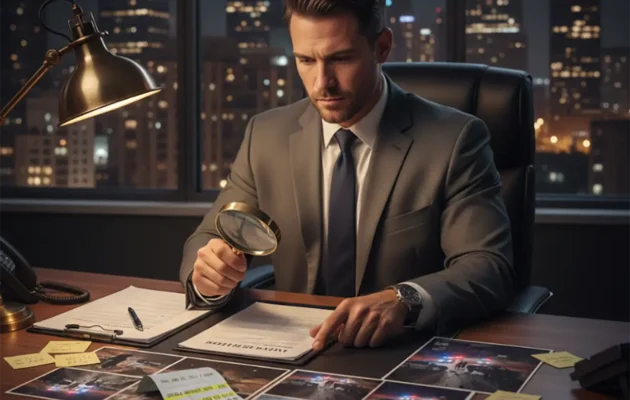
Because insurers often try to blame riders, evidence is critical in these cases. Helpful proof can include:
- Police crash report. The officer’s report may note that the turning driver failed to yield, list any citations, and record early witness statements. Riders (or their lawyers) can usually request a copy through TxDOT’s Crash Report Online Purchase System.
- Scene photos and video. Pictures of the vehicles, skid marks, the intersection, traffic signals, and your visible injuries can help reconstruct what happened. Nearby businesses or homes may have camera footage.
- Witness statements. Neutral witnesses who saw the car cut across the bike’s lane often carry a lot of weight with adjusters and juries.
- Damage pattern. If the motorcycle has heavy front-end damage and the car or SUV has damage on its front corner or side, that is consistent with a left-turn impact.
- Medical records and gear. The type and location of your injuries can match a particular impact and support your version of the crash. Helmet damage, torn jackets, and scraped gloves all tell part of the story.
For anyone hurt in a wreck, a detailed car accident evidence checklist is useful. The same steps that help car crash victims—preserving photos, medical records, and repair estimates—also help riders make a stronger motorcycle claim.
Common Arguments Against Injured Riders
Even when the facts seem clear, insurance companies often push back. Some of the most common arguments are:
- “The rider was speeding.” Adjusters point to speed even when there is little proof. Speed estimates can often be challenged with scene evidence, bike damage, and expert analysis.
- “The motorcycle was hard to see.” That may be true in some conditions, but drivers still have to adjust their driving for weather, lighting, and traffic.
- “The rider wore dark gear.” High-visibility gear helps, but riders do not lose their rights because they like black jackets.
- “The rider could have avoided it.” Left-turn crashes often unfold in a second or two. Demanding perfect reactions from a rider while excusing a driver’s bad judgment is not how the law works.
A Houston motorcycle accident lawyer will expect these arguments and look for evidence that undercuts them.
What to Do After a Left-Turn Motorcycle Accident in Texas
What you do after a crash affects both your health and your claim. Here are practical steps that fit Texas law and agency guidance:
- Call 911 and report the crash.
A Texas Peace Officer’s Crash Report creates an official record. Later, you can request a copy through TxDOT’s crash reports and records page. - Get medical care as soon as possible.
Even if you feel “okay,” internal injuries, concussions, and spinal issues can show up hours or days later. Prompt care protects both your health and your claim. - Document the scene if you can.
Take photos and video of the intersection, vehicles, debris, skid marks, traffic lights, and your injuries. Ask someone else to do it if you are not able. - Get information from everyone involved.
Collect names, phone numbers, license plates, and insurance details for all drivers, plus contact information for any witnesses. - Watch what you say.
Do not argue about fault. Avoid saying things like “I’m fine” or “I might have been going a little fast.” These statements may show up later in insurance notes. - Notify your own insurer.
Many riders have coverages such as uninsured/underinsured motorist (UM/UIM) or medical payments coverage that can help. Report the crash, but don’t guess about fault or agree to a recorded statement with the at-fault driver’s insurer before getting legal advice. - Talk with a lawyer who handles motorcycle cases.
A Texas motorcycle accident lawyer who regularly represents riders can help sort out liability, identify all possible insurance policies, and protect you from common claim tactics.
Talk With a Texas Motorcycle Accident Lawyer About Your Left-Turn Crash
If a driver turned left in front of you and then shrugged it off with “I didn’t see the bike,” you are the one left with the pain, the bills, and the questions. You should not have to guess about your rights or whether an insurance company is treating you fairly. A Texas motorcycle accident lawyer can review your crash, explain your options, and deal with the insurers while you focus on healing.
At JB Law Group, PLLC, we represent riders in Houston, Spring, and across Texas. We know how often left-turn drivers and their insurers try to blame the motorcyclist, and we know how to respond. We dig into the police report, track down video and witnesses, and work with your doctors to understand how the crash has changed your life.
On this blog, we have already talked about issues like Texas comparative negligence after a Houston car accident and shared a detailed car accident evidence checklist. In motorcycle cases, we apply those same core ideas with a focus on intersection design, visibility, and the forces involved when a car cuts across a bike’s path.
If you were hurt in a left-turn crash anywhere in Texas, including Houston and Spring, we invite you to contact JB Law. We will listen to what happened, answer your questions in plain language, and explain how we handle motorcycle claims from start to finish.