Broker and Shipper Liability in a Texas Truck Crash

Truck collisions in Texas rarely end with just one party being responsible. What looks like a simple crash on the highway often involves a long chain of decisions made by different companies—some behind the wheel, others behind a desk. That’s why understanding broker and shipper liability in a Texas truck crash matters so much for injured victims. The driver and the motor carrier may be the most visible players, but they aren’t always the only ones whose choices contributed to the wreck.
The Parts Brokers and Shippers Play Behind the Scenes
A freight broker doesn’t load the truck or drive it, but the broker does decide who gets the job. And that choice can create risk. Sometimes a broker hires a motor carrier with a shaky record, questionable insurance, or drivers who should never have been on the road in the first place. When this happens, injured victims may have grounds to argue negligent hiring by a freight broker.
Shippers influence safety too—though most people don’t think about it that way. They’re responsible for stating what the freight actually is, its weight, how it should be loaded, and whether the shipment has special handling requirements. A careless loading job or wrong cargo information can make a truck unstable before it even leaves the warehouse.
Why Liability Isn’t Always Simple
The trucking industry runs on contracts, and those contracts often try to separate a motor carrier vs broker. But real life doesn’t always follow paperwork neatly. In some situations, a broker gets so involved in directing loads, schedules, and routes that their role begins to resemble that of a carrier. When that happens, arguments for vicarious liability in trucking in Texas become stronger.
Truck crash cases involving shippers can get equally complicated. A small mistake during loading can lead to shifting cargo, brake problems, or a rollover miles away from the facility where the mistake happened. These cases take careful digging—examining load records, bills of lading, emails, and communications no one sees until attorneys request them.
How Identifying All Liable Parties Helps Injured Victims
Most truck crash victims face medical expenses, missed work, long-term recovery, and the stress of dealing with insurance companies. If only the driver or motor carrier is named in a claim, victims might leave significant compensation on the table. Cases involving load assignment liability, poor vetting practices, or errors made by shippers often uncover additional insurance policies or responsible companies that were not obvious at first.
Evidence that helps build these cases includes:
- background checks (or lack of them) on the carrier
- communications between brokers, shippers, and drivers
- load weight documents
- prior safety violations and inspection reports
- any notes on delays, pressure to meet deadlines, or unusual handling instructions
All of this helps explain not just what happened on the road, but why it happened.
The Difficult Part: Proving It
Truck crash claims involving shippers and brokers require more than photographs and a police report. These companies often deny they had any control over the situation. Determining responsibility usually requires reading through contracts, hire agreements, and federal safety regulations—none of which were written to make things easy for injury victims.
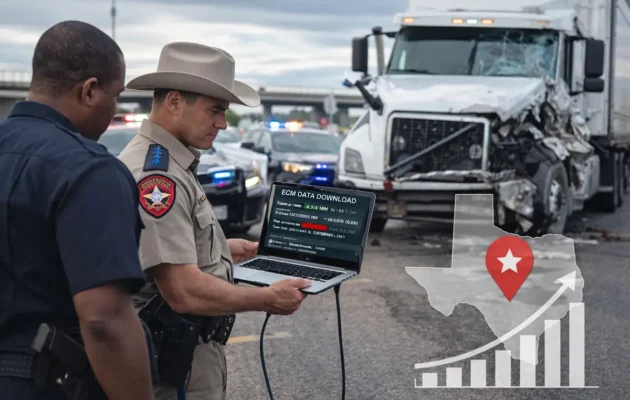
Experts may be called in to inspect the truck, analyze how the load shifted, or reconstruct the crash. Attorneys often review driver logs, dispatch notes, and maintenance records. It’s detailed work, and much of it has to be done quickly, before documents disappear or companies attempt to shift responsibility elsewhere.
What Victims Should Do After a Truck Crash
After medical needs are addressed, preserving evidence becomes critical. Photos, witness information, and documenting injuries early help create a timeline. For victims in the Houston area, where interstate shipping is constant, these steps matter even more because brokers and shippers involved in Texas freight operations often work nationwide. Companies sometimes attempt to distance themselves from the scene as fast as possible.
An attorney experienced in truck crash litigation can identify whether additional parties—beyond the obvious ones—should be included in the claim. That alone can significantly change the outcome of a case.
Your Advocate in Complex Truck Crash Cases
At JB Law Group, PLLC, we investigate every angle of a truck crash, including broker and shipper liability in a Texas truck crash. Our team examines hiring practices, cargo loading records, communication chains, and safety violations to determine who contributed to the accident. If you want a legal team that understands trucking regulations and fights to uncover every responsible party, contact JB Law Group, PLLC today. We work to secure the maximum compensation available and support clients through every step of their recovery.